
Who Is Responsible for Pest Control in a Rented Property?
CallDoncaster: 01302 969049
Sheffield: 0114 419 2049
Discovering rats, mice or insects inside a rented property can quickly become stressful. However, deciding who should arrange treatment isn’t always straightforward. Who Is Responsible for Pest Control in a Rented Property? The answer depends on the cause, the property’s condition and the tenancy agreement. For landlords and letting agents, professional pest control in Doncaster can help identify problems and protect their properties.
Is Pest Control the Landlord’s Responsibility?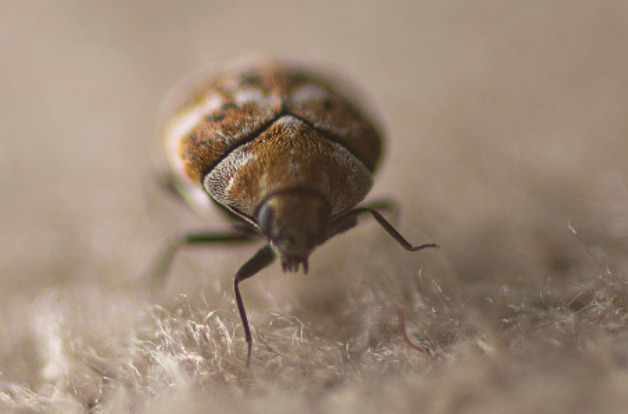
Landlords in England must ensure their properties remain safe and fit for human habitation. Consequently, they may need to arrange pest control when an infestation results from structural problems or necessary repairs. For example, rats might enter through damaged brickwork, broken vents or gaps around external pipes. If these defects fall under the landlord’s repair obligations, the landlord will generally need to address the underlying problem. Furthermore, landlords may be responsible when an infestation existed before the tenant moved into the property. Serious pest problems can also make accommodation unsuitable to live in. Therefore, landlords should investigate reported infestations promptly rather than automatically assuming the tenant must arrange treatment.
When Is Pest Control the Tenant’s Responsibility?
Tenants also have responsibilities when maintaining rented accommodation. They should take reasonable care of the property, dispose of rubbish correctly and report maintenance problems. Sometimes, an infestation develops because food waste accumulates or rubbish remains improperly stored. In these circumstances, the tenant may be responsible for arranging treatment or covering the associated costs. However, identifying the cause isn’t always simple. A mouse infestation could involve several factors, including structural access points and accessible food. Therefore, both parties should establish the facts before deciding who must pay. A professional inspection can provide useful information about the likely source of the infestation.
Who Is Responsible for Pest Control in a Rented Property?
There isn’t one answer that applies to every tenancy. Responsibility generally depends on the circumstances surrounding the infestation. For example, consider these common situations: Rats entering through damaged brickwork If the building requires structural repairs, the landlord will generally be responsible for those repairs and the resulting infestation. Mice attracted by improperly stored household waste If the tenant’s actions caused the problem, they may need to arrange treatment. Cockroaches discovered immediately after moving in An infestation that existed before the tenancy would generally be the landlord’s responsibility. Pests spreading through communal areas The landlord, freeholder or managing agent may need to investigate, depending on who controls the affected areas. Importantly, tenancy agreements cannot remove statutory responsibilities. When disagreements arise, an independent inspection can help establish what is happening.
Why Should Doncaster Landlords Act Quickly?
Ignoring an infestation can create problems beyond the initial inconvenience. Rodents may damage electrical cables, insulation, stored belongings and internal fittings. They can also contaminate surfaces through droppings and urine. Furthermore, pests may spread between neighbouring properties, particularly in terraced housing and buildings containing multiple flats. For landlords managing several properties, repeated infestations can increase maintenance costs and create disputes with tenants. Recent UK insurance research has also highlighted the importance of autumn pest prevention. Consequently, early inspections and preventative maintenance can help protect both the property and its occupants.
How Can Letting Agents Prevent Pest Problems?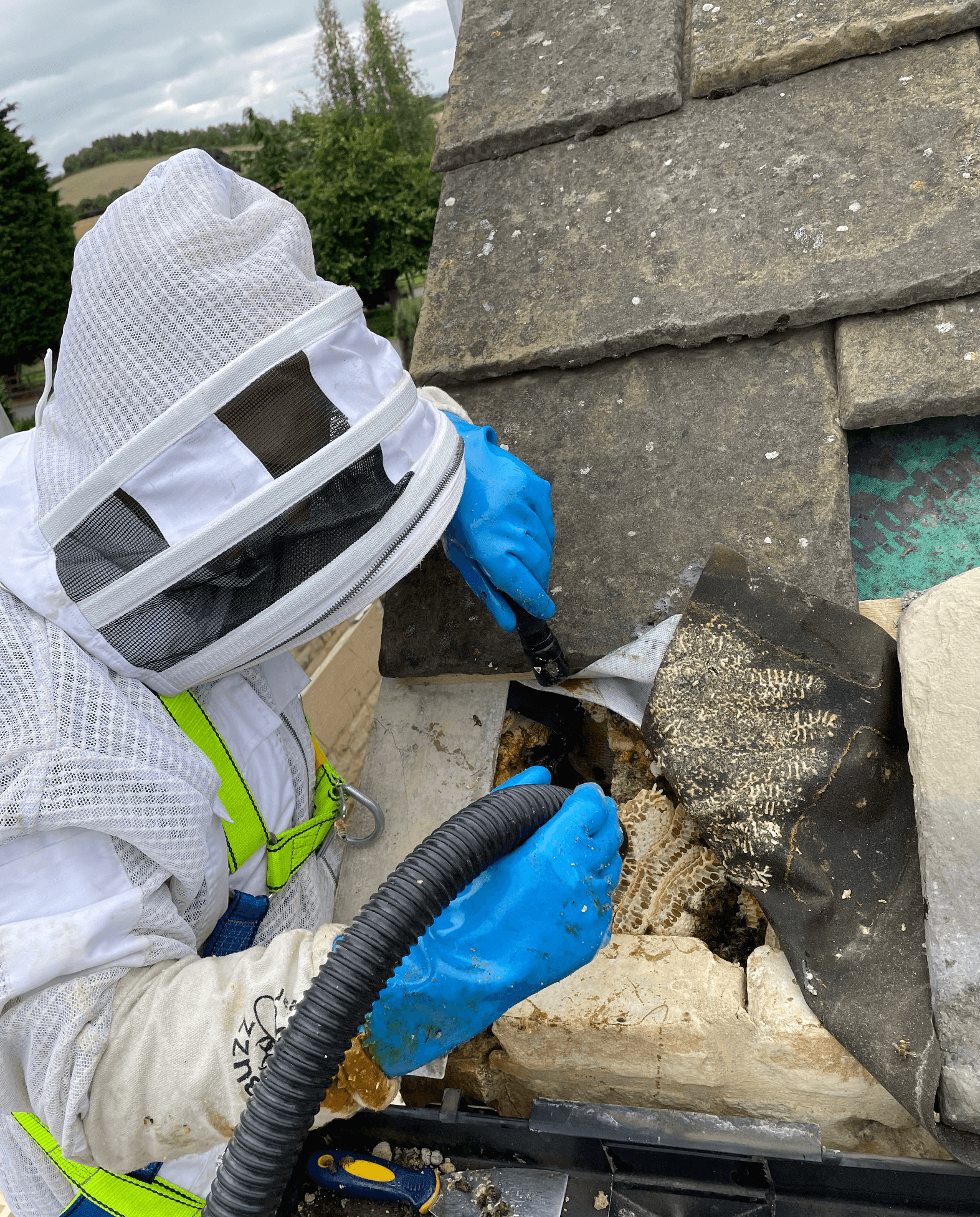
Letting agents and property managers can benefit from a proactive approach. Rather than waiting for complaints, they should encourage regular property checks and prompt maintenance.
Useful preventative measures include:
- Checking external walls, doors and pipework for gaps.
- Ensuring outdoor bins have secure lids.
- Investigating damaged drains and ventilation openings.
- Keeping communal waste areas clean.
- Responding promptly to reports of droppings or scratching noises.
- Recording pest inspections and completed repairs.
Additionally, landlords should consider checking for pest activity between tenancies. This provides an opportunity to identify problems before new occupants move in. For larger portfolios, professional pest management can help establish a consistent approach across multiple properties.
What Should You Do If Your Landlord Won’t Arrange Pest Control?
Tenants should report infestations to their landlord or letting agent as soon as possible. Ideally, provide photographs, dates and details of any damage or maintenance problems. Keep copies of correspondence and allow reasonable access for inspections. If the landlord fails to address a serious problem, tenants can seek advice from City of Doncaster Council’s housing enforcement team. However, tenants shouldn’t automatically stop paying rent because of a pest infestation. Instead, they should seek appropriate housing advice and follow the correct procedures. A professional pest inspection may also help clarify the cause and extent of the problem.
Professional Pest Control for Doncaster Landlords and Letting Agents
Whether you manage one rental property or a larger portfolio, prevention is often more effective than waiting for an infestation to develop. Professional pest controllers can identify the species involved, investigate possible access points and recommend suitable treatment. Furthermore, inspections can highlight maintenance issues that may contribute to recurring pest activity. This helps landlords and letting agents make informed decisions about protecting their properties. Ultimately, understanding Who Is Responsible for Pest Control in a Rented Property? can help prevent disputes and encourage faster action.
Contact Topline Pest Control
Topline Pest Control provides professional pest management services for residential and commercial properties throughout Doncaster. Whether you’re a landlord, letting agent or tenant, our team can help identify pest problems and recommend appropriate solutions. Contact Topline Pest Control today to discuss your property and arrange professional advice.